


Gulf Style Abayas

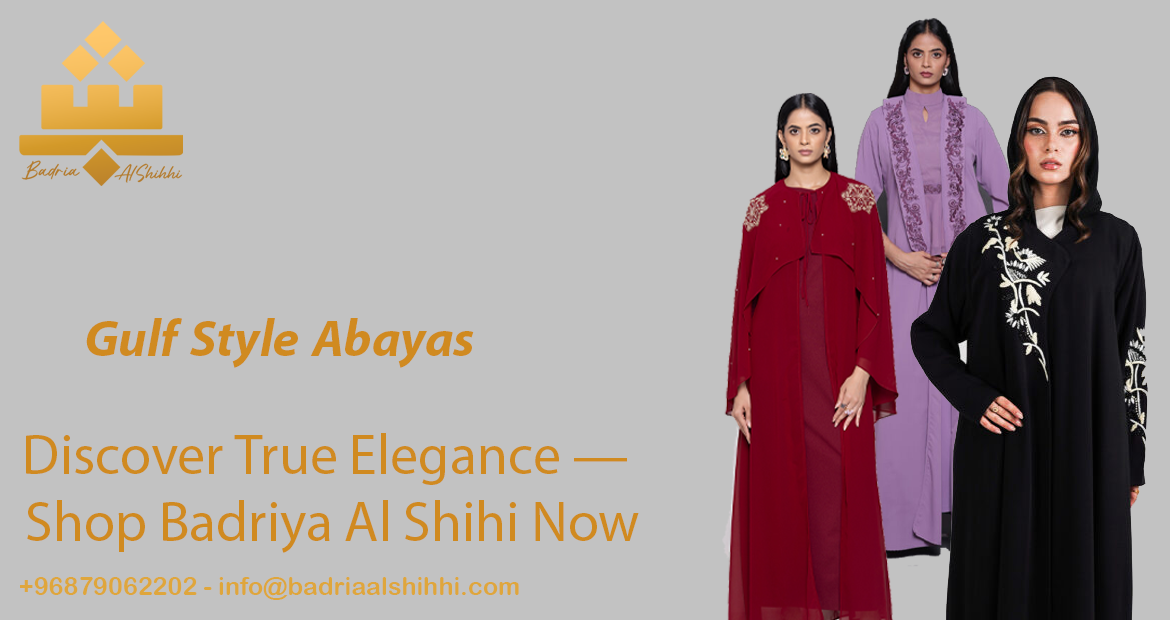
Understanding Gulf Style Abayas
What Is a Gulf Style Abaya?
A Gulf-style abaya is a long, loose outer garment traditionally worn by women in Gulf countries such as Saudi Arabia, the UAE, Kuwait, Qatar, Bahrain, and Oman. It’s usually ankle-length, with long sleeves, designed to provide modest coverage while still allowing comfort and ease of movement.
But the modern Gulf abaya is more than “just” modest clothing. Over time, it has become a fashion statement, a cultural symbol, and a way for women to express their personality, taste, and lifestyle—while staying true to their values.
How Gulf Abayas Differ from Other Abayas
Not all abayas are the same. Gulf style abayas are often known for:
Elegant flowing cuts and high-quality fabrics
Sophisticated, sometimes subtle embellishments
Tailored designs that look polished yet modest
A focus on comfort suited to hot desert climates
Compared to some other regions, Gulf abayas tend to carry a more luxurious and refined touch, especially in terms of fabric choice and finishing.
Cultural Significance in the Gulf Region
In the Gulf, the abaya is part of everyday life. You’ll see women wearing it to work, university, malls, family gatherings, and even special events like weddings. It reflects cultural identity, modesty, and respect for local customs—yet within that framework, women play with styles, colors, and accessories to keep it personal and modern.
A Brief History of the Gulf Abaya
Traditional Roots
The abaya has roots in early Islamic dress, inspired by the idea of modesty and coverage. Historically, it was a simple, loose black cloak worn over regular clothing whenever women went out.
From Simple Cloak to Fashion Statement
With time, Gulf societies modernized, and so did their clothing. Designers began experimenting with:
Different cuts and silhouettes
Decorative cuffs, buttons, and trims
Lightweight and luxury fabrics
The result? The abaya evolved from a plain cloak into an elegant piece that could be styled for many occasions.
Influence of Global Fashion Trends
Global fashion has also had its influence. Runway trends, street style, and social media all inspired new abaya designs:
Kimono-inspired abayas
Cape-style or butterfly abayas
Minimalist, monochrome, and neutral-toned abayas
Yet, even with global influences, Gulf-style abayas kept their essence: modest, flowing, and respectful of cultural norms.
Key Design Features of Gulf-Style Abayas
Silhouette and Cut
The silhouette is what gives the abaya its character. Gulf-style abayas are usually:
Straight-cut or slightly A-line
Flowing, to allow airflow and ease of movement
Structured enough to look elegant and put-together
Sleeves, Cuffs, and Necklines
Details matter a lot. You’ll find:
Wide kimono sleeves or slimmer tailored sleeves
Embroidered or beaded cuffs
Simple round necklines, V-necks, or open-front designs
These small design choices turn a basic abaya into something special.
Length, Flow, and Movement
A Gulf abaya typically reaches the ankles or just above the floor. The way it moves when you walk—soft, fluid, and graceful—is a big part of its charm.
Open-Front vs Closed Abayas
Closed abayas: Traditional style, worn like a dress.
Open-front abayas: More modern, worn over an outfit, often with a matching belt or inner dress.
Tailored vs Loose-Fit Styles
Loose-fit: Great for maximum comfort and modesty.
Tailored: Slightly shaped at the shoulders or waist to give a more structured look, but still modest.
Popular Types of Gulf-Style Abayas
Classic Black Gulf Abaya
The timeless classic. Usually:
Solid black or with subtle tone-on-tone embroidery
Perfect for everyday wear, work, or religious occasions
Easy to style with colorful hijabs and accessories
Kimono-Style Gulf Abaya
Inspired by Japanese kimonos, these abayas:
Have wide, flowing sleeves
Often come as open-front designs
Work beautifully with belts and inner dresses
Embroidered & Beaded Abayas
These are more dressy and suited for gatherings or events. They feature:
Hand or machine embroidery
Beads, crystals, or sequins
Designs on cuffs, shoulders, hemlines, or back panels
Bisht and Butterfly Abayas
Bisht abayas: Inspired by the traditional Arab men’s cloak, but reimagined for women with luxurious fabrics and finishes.
Butterfly abayas: Very wide, flowing sides that resemble butterfly wings—extremely comfortable and chic.
Occasion and Bridal Gulf Abayas
For weddings, henna nights, and special events, you’ll find:
Rich fabrics like satin and organza
Heavy embellishments and lace details
White, cream, or soft pastel abayas for brides or close family members
Fabrics Used in Gulf Abayas
Nida, Crepe, and Chiffon
Some of the most popular fabrics include:
Nida: Soft, flowing, and slightly matte—very popular for everyday abayas.
Crepe: Strong, textured, and elegant, ideal for formal wear.
Chiffon: Lightweight and airy, often used in overlays or sleeves.
Rich Winter Fabrics
For cooler months, abayas may use:
Thicker crepe
Wool blends
Slightly heavier, structured materials
Breathability, Comfort, and Modesty
When choosing fabric, think of three things:
Breathability – Will you feel fresh, or will it trap heat?
Comfort – Can you move easily?
Modesty – Is it opaque enough and not too clingy?
Colors, Patterns, and Embellishments
From Classic Black to Modern Neutrals
Black is still king, but modern Gulf abayas now come in:
Beige, taupe, and sand
Soft grey and charcoal
Deep greens, blues, and burgundies
These shades keep it sophisticated while giving you more variety.
Lace, Crystals, and Hand Embroidery
To add personality:
Lace trims and panels
Swarovski crystals and stones
Hand-stitched embroidery inspired by Arabic, geometric, or floral patterns
Minimalist vs Statement Designs
Minimalist abayas stick to clean lines, simple colors, and subtle details.
Statement abayas include bold sleeves, heavy embellishments, or unique cuts.
The best choice depends on your personal style and how often you’ll wear it.
How to Choose the Right Gulf Style Abaya
Choosing According to Body Shape
Think of your abaya like a frame around your body:
Petite: Avoid very oversized pieces that drown your figure. Go for slightly tailored cuts.
Tall: Long, flowing abayas look especially elegant on you.
Curvy: Choose structured shoulders and a gentle A-line to balance your shape.
Picking the Right Length and Width
Your abaya should:
Brush the top of your feet (not drag heavily on the floor)
Fit comfortably at the shoulders
Allow you to lift your arms without pulling or tightening
Matching Abaya to Your Lifestyle
If you’re always on the go, you might not want delicate crystals that snag on everything. If you attend a lot of events, you may want a few special abayas that stand out.
Work, Casual, and Special Occasions
Work: Clean lines, minimal embellishment, good-quality fabrics.
Casual: Lightweight, easy to move in, simple to wash.
Occasions: Rich fabrics, embroidery, and standout designs.
Styling Gulf Abayas
Matching with Hijabs and Shaylas
Your hijab can completely change the mood of your abaya:
Contrast colors for a bold look
Tone-on-tone for a soft, elegant appearance
Printed hijabs with plain abayas for a balanced style
Accessories: Bags, Shoes, and Jewelry
You don’t need much, but:
A structured handbag or clutch
Neat sandals, mules, or heels
Simple bracelets, rings, or a watch
…can elevate your look without overpowering the abaya.
Modest Yet Trendy Layering Tips
You can wear:
A simple dress or wide-leg trousers underneath
A belt over an open-front abaya for more structure (if culturally and personally comfortable)
The idea is to stay modest but still feel stylish and confident.
Gulf-Style Abayas for Different Occasions
Everyday and Workwear Abayas
For everyday use:
Go for durable fabrics that don’t wrinkle easily
Stick to neutral or classic colors
Keep embellishments minimal so it feels appropriate everywhere
Ramadan and Eid Abayas
Ramadan nights, Eid prayers, and family gatherings are the perfect time for:
Soft colors or detailed embroidery
Special fabrics like silk-blend or jacquard
Abayas that feel a bit more festive but still modest
Wedding and Party Abayas
For more formal events:
Choose abayas with lace, beadwork, or unique cuts
Consider light-colored or jewel-toned designs
Pair with a matching inner dress and elegant shoes
Modesty, Identity, and Empowerment
More Than a Garment
For many women, the abaya isn’t about hiding—it’s about choosing how to present themselves. It allows them to be modest on their own terms.
Expression of Personal Style
Within the framework of modesty, there is endless room for creativity:
Play with colors and textures
Mix traditional cuts with modern detailing
Express your personality in subtle yet beautiful ways
Breaking Stereotypes Around Abayas
There’s a common stereotype that abayas are “all the same” or “old-fashioned.” Gulf-style abayas prove the opposite: they’re modern, creative, and constantly evolving, while still rooted in culture and values.
Where to Buy Gulf-Style Abayas
Local Boutiques in the Gulf
If you’re in Gulf countries, you’ll find:
Specialized abaya boutiques
Designers offering seasonal collections
Tailors who can custom-fit pieces to your measurements
Online Stores and International Shipping
If you’re abroad, you can still access Gulf-style abayas through:
Online boutiques based in the Gulf
International modest fashion sites
Instagram or social media designers with worldwide shipping
Always check size charts, fabric descriptions, and return policies.
Custom-Made vs Ready-to-Wear
Ready-to-wear: Faster and often more affordable.
Custom-made: Better fit, your choice of fabric and design, and a more personal experience.
Caring for Your Gulf Abaya
Washing and Ironing Tips
Always read the care label first.
For delicate fabrics and embellishments, hand wash or use a gentle cycle.
Use a low-heat iron or garment steamer to avoid damaging the fabric.
Storing to Preserve Shape and Details
Hang your abayas on wide, padded hangers.
Keep them in breathable garment bags if you don’t wear them often.
Avoid overcrowding your closet so they don’t get crushed.
Handling Delicate Embellishments
Beads, crystals, and lace can be fragile:
Turn the abaya inside out before washing.
Avoid harsh detergents and bleach.
Store embellished pieces separately so they don’t snag other fabrics.
Common Mistakes to Avoid When Buying Abayas
Ignoring Fabric Quality
A low-quality fabric might look fine online, but in real life it can:
Feel rough on the skin
Wrinkle easily
Lose its color after a few washes
Investing in better fabric usually means your abaya will last much longer.
Choosing the Wrong Size
Too tight defeats the purpose of modesty and comfort, while too big can look sloppy. Always:
Check the size guide
Look for shoulder measurements and length
When in doubt, slightly loose is usually better than tight
Overlooking Lifestyle and Climate
An abaya covered in heavy stones might be beautiful—but not ideal if you’re commuting every day in very hot weather. Always match the abaya to how and where you’ll actually wear it.
Sustainable and Ethical Abaya Brands
More brands are focusing on:
Eco-friendly fabrics
Ethical production
Quality over quantity
This means abayas that feel good to wear and good to buy.
Tech-Enhanced Shopping (AR Try-Ons, Size Guides)
Online shopping is becoming smarter:
Virtual try-ons to visualize length and fit
Better size calculators and fit recommendations
Detailed fabric videos and close-up images
The future of Gulf-style abayas is all about balance: honoring tradition while embracing modern creativity.
Gulf-style abayas beautifully combine culture, modesty, and fashion. They started as simple, functional garments but have evolved into versatile wardrobe staples that can be elegant, minimal, bold, or luxurious—depending on how you choose to wear them.
Whether you’re new to abayas or have worn them your whole life, understanding fabrics, cuts, and styling options helps you choose pieces that feel like “you.” From everyday black abayas to embellished occasion wear, there’s a Gulf-style abaya for every personality, lifestyle, and moment.
In the end, the abaya is more than a piece of cloth. It’s a statement of identity, a reflection of values, and a powerful reminder that modesty and style can absolutely go hand in hand.